Typical Installed Range
The broad installed range is $3,000 to $30,000, with basic fabric options near the entry point and engineered steel or automated roofs at the premium end.
For Phoenix-area property owners, Phoenix Shade Structures Co. explains the practical range: a permanent shade structure typically costs $3,000 to $30,000 installed, but the price varies because a 10x10 shade sail and a 20x30 steel ramada solve very different needs. Span, foundation depth, material grade, and site conditions all matter when budgeting for local wind, heat, and caliche soil.
The broad installed range is $3,000 to $30,000, with basic fabric options near the entry point and engineered steel or automated roofs at the premium end.
Compare the footprint in square feet, post count and depth, fabric or panel grade, and whether the structure is fixed or motorized.
Confirm HOA design rules, permit needs, footing conditions, roof attachment, and exposure to Phoenix heat and monsoon winds before comparing final quotes.
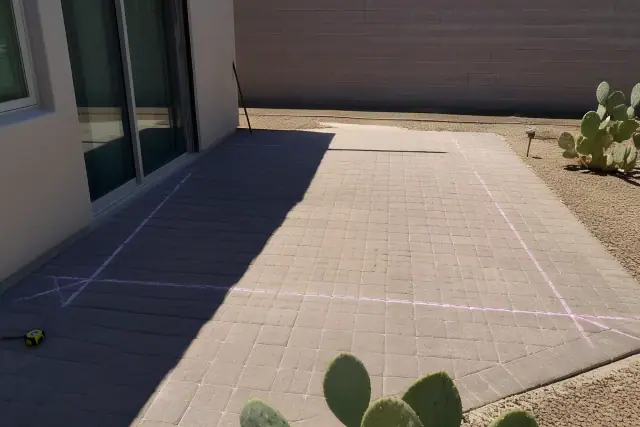
The footprint, anchor points, and post placement for a 100-square-foot sail. A project this size may run $2,000 to $3,500 when installed conditions fit the design.
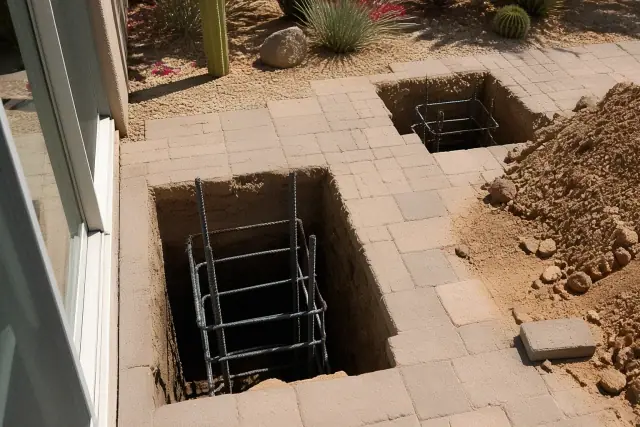
A 400-square-foot roof, multiple posts, and substantial footings. A ramada at this scale can reach $20,000 or more once foundation work and roofing are included.
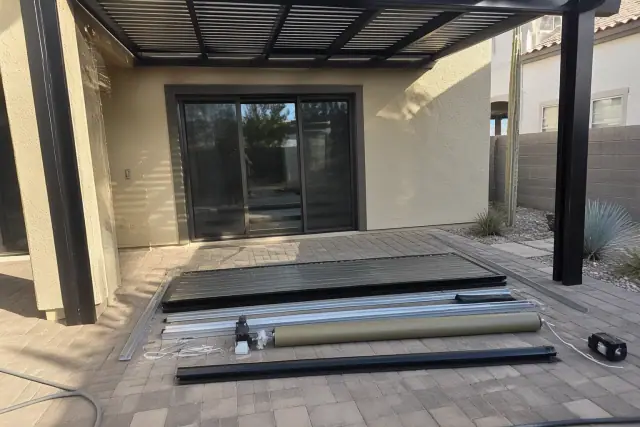
Compare a fixed panel with motorized louvers, electrical integration, weather sensors, and heavier framing. Those additions help explain why automated louvered roofs commonly start above $15,000.
Small residential structures under 150 square feet, such as a compact awning or single patio sail, generally cost $1,500 to $6,000.
Structures over 400 square feet, including multi-post ramadas and commercial carports, often cost $15,000 to $30,000 or more depending on material and clear-span requirements.
Residential projects across the Phoenix metro commonly run $3,000 to $15,000. Commercial work typically starts at $10,000, while heavier industrial applications often exceed $20,000.
Temporary or pop-up shade often costs under $1,000 but lacks the wind rating and longevity of permanent construction. Permanent options cost more because they require engineered footings and applicable inspections.
| Structure type | Typical installed range | What changes the price |
|---|---|---|
| Metal awning | A few hundred dollars to around $5,000 | Small window unit versus a full patio-length installation |
| Shade sail | $1,500 to $8,000 | Fabric grade, anchor-point count, and engineered posts |
| Pergola | $3,000 to $15,000 | Aluminum, steel, or wood construction and required upkeep |
| Patio cover | $3,000 to $12,000 | Solid insulated or lattice panels and roof integration |
| Cantilever structure | $5,000 to $18,000 | Clear span and counterweight footing size |
| Ramada | $8,000 to $30,000 | Roof material and footing depth |
| Motorized louvered roof | $15,000 to $40,000 | Automation, electrical work, sensors, and heavier framing |
Typical permanent-project range: $3,000 to $30,000 installed; size, materials, foundation depth, and site conditions determine the final scope.
A flat square-foot price can hide important scope differences even though most permanent structures fall between $15 and $45 per square foot installed. Labor commonly accounts for 30 to 40 percent of the total through excavation, footing pours, structural assembly, and fabric or panel installation. Fixed shade sails and aluminum patio covers generally deliver strong value for residential budgets; steel costs more upfront, while wood starts lower but needs more upkeep and polycarbonate falls between fabric and solid roofing.
Span length, post spacing, fabric or panel grade, foundation depth, and permit requirements change both material and labor needs. Engineered footings in expansive caliche soil and framing suited to 110-plus-degree summers add scope compared with a straightforward slab mount. A single-bay steel carport starts around $3,000 to $6,000, while multi-bay or commercial versions can approach $15,000 or more; playground shade typically runs $3,000 to $15,000 based on coverage, post configuration, and fabric UV rating.
How long does installation take? Most residential work takes one to three days on site after permitting, while ramadas and commercial projects with concrete footings can take one to two weeks including cure time. How long will the structure last? Powder-coated steel commonly lasts 25 to 40 years with minimal maintenance, aluminum has a similar lifespan, and wood may need refinishing every 3 to 5 years and replacement within 10 to 15 years. Is DIY installation practical? Small temporary options are the safer DIY category; permanent structures generally need permits and engineered footings for local wind loads, especially where monsoon gusts exceed 50 miles per hour. HOA guidelines may also govern color, height, and material, while city or county requirements can govern setbacks and permits.
Share the approximate footprint, preferred structure type and material, and whether the design will be fixed or motorized. A free, no-obligation on-site estimate can account for foundation conditions, wind exposure, permit needs, HOA documentation, and the installation sequence before work begins.